
Fall Watering Tips for Thriving Native Plants and Shrubs
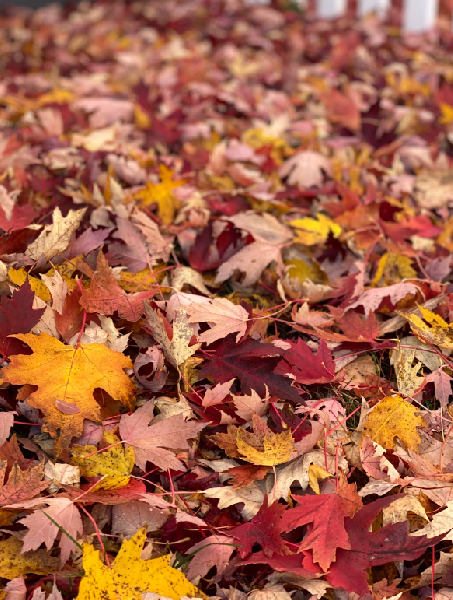 As fall settles into Chicagoland and the first frost creeps closer, many gardeners assume that watering season is over. After all, the weather is cooler, the rain feels more frequent, and plants are starting to go dormant. But here's the surprising truth, fall is one of the most important times to water your native garden, especially before the ground freezes. Whether you planted new natives this year or are tending an established landscape, proper fall watering sets your plants up for long-term resilience, healthier spring growth, and better winter survival. Here’s why.
1. Plants Still Need Moisture While Establishing Before Dormancy
Even though your plants may appear to be “shutting down” for the year, below the surface their roots are still actively growing until soil temperatures drop below about 40°F. In northern Illinois, that root growth window often continues well into November and sometimes early December.Watering during fall:
- Supports strong root development
- Helps plants store energy for winter
- Improves overall establishment for natives planted this year or last
2. Moist Soil Protects Roots From Freezing Damage
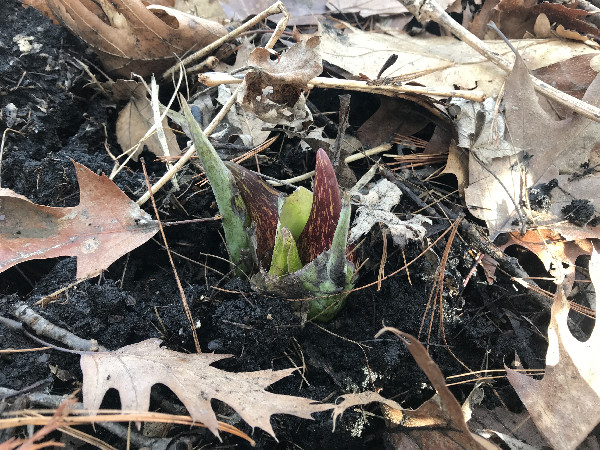
Dry soil freezes faster and more deeply than moist soil. Moist soil holds heat longer, creating a buffer that protects plant roots during early hard freezes.For Chicago-area gardens—where freeze–thaw cycles are common and winters can be unpredictable—this insulating effect can make a dramatic difference, especially for newly installed native plugs and young shrubs or trees. Water acts as a natural thermal protector.
3. Healthy Fall Hydration Means Less Winter Desiccation
Winter desiccation—when plants lose moisture faster than they can take it up—is a real issue for native evergreens like Juniperus, Arborvitae, and Bearberry, as well as many prairie grasses. Watering in fall ensures they go into winter fully hydrated, reducing browning, dieback, and stress.4. Native Plants Still Benefit (Even Though They're Tough)
One of the biggest myths about native plants is that they never need watering. While it’s true they’re more drought-tolerant than many ornamentals, first-year and second-year natives still depend on consistent moisture as they establish deep root systems. Shrubs and trees also need one good last drink before they make their way through winter.Think of fall watering as an investment in years of low-maintenance beauty.
How to Water in the Fall
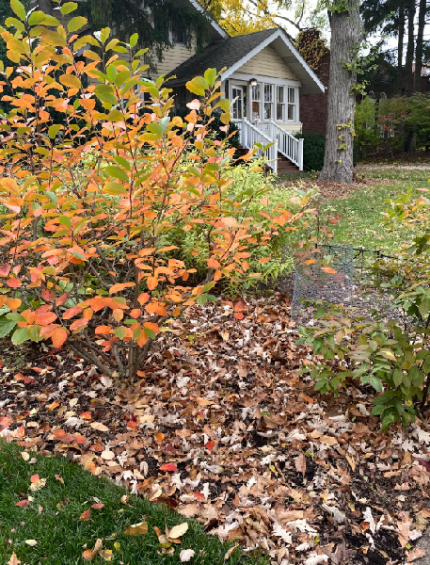
- Water Deeply and Infrequently: Aim for long, slow watering sessions that soak the soil 6–8 inches deep. This encourages deeper root growth.
- Focus on Newer Plantings: Anything planted this year or last year should be a priority.
- Keep Watering Until the Ground Freezes: As long as the hose can run and the soil isn’t solid, plants can benefit.
- Morning Is Best: Allows excess moisture to evaporate before nighttime temperatures drop.
Finishing the Year Strong
Once the ground has frozen—probably happening in the next week or two (first or second week of December)—you can stop watering until spring. If there’s a late warm spell and soil thaws, a light watering can still help, especially after a dry fall.Fall watering is one of the simplest and most effective ways to protect your native garden through the winter. By keeping your soil moist until freezing, you help your plants:
- Build stronger root systems
- Increase cold tolerance
- Reduce winter damage
- Thrive when spring returns
____________________________________________
ECO(FUN) Fact - The Magic of the Winter Blanket
When winter arrives, the most important insulation for your native plants comes from the sky and the ground. Both snow and leaf litter act as a crucial thermal blanket, protecting your plants from extreme cold and damaging freeze-thaw cycles.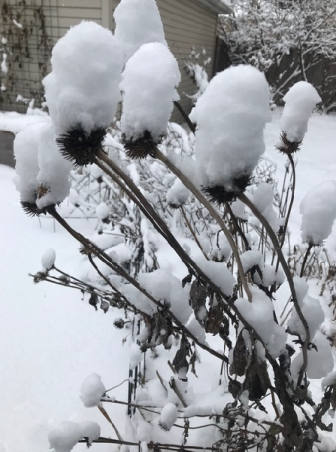
The Power of Insulation
- Snow's Protection: A consistent snow cover is the ultimate insulator. Because 90% of a snowpack is trapped air, it creates a buffer that keeps the soil at the root zone significantly warmer—often right around freezing—compared to the air temperature.
- Bare Soil is Brutal: When the soil is bare, it freezes deeply and rapidly, exposing vulnerable roots and underground structures to the full intensity of winter cold. Consistent insulation prevents frost heave, where freezing and thawing pushes plants out of the ground.
Leaf Litter and Barriers
- Leave the Leaves: The leaf litter you leave in your garden beds acts as a vital layer of natural mulch. A 2-to-3-inch layer insulates the soil, retains moisture, and provides crucial habitat for overwintering pollinators.
- Stop the Drift: In windy areas, both snow and leaves can blow away. Consider using a snow fence or dense native shrubs to act as a barrier. These structures slow the wind, forcing the snow and leaves to settle in a protective drift directly over your garden beds where the plants need them most.
Sources:
https://extension.illinois.edu/news-releases/watering-trees-shrubs-fall-and-winter-balancing-act , https://northerngardener.org/watering-trees-and-shrubs-in-autumn/, https://www.chicagobotanic.org/plant-information/fall-tree-and-shrub-care, https://extension.illinois.edu/blogs/over-garden-fence/2019-01-30-cold-temps-snow-cover-and-dormancy, https://www.chicagobotanic.org/plant-information/using-fallen-leaves-garden, https://xerces.org/blog/leave-the-leaves
Nov 26, 2025 by
- share:


